Sewerage Overload
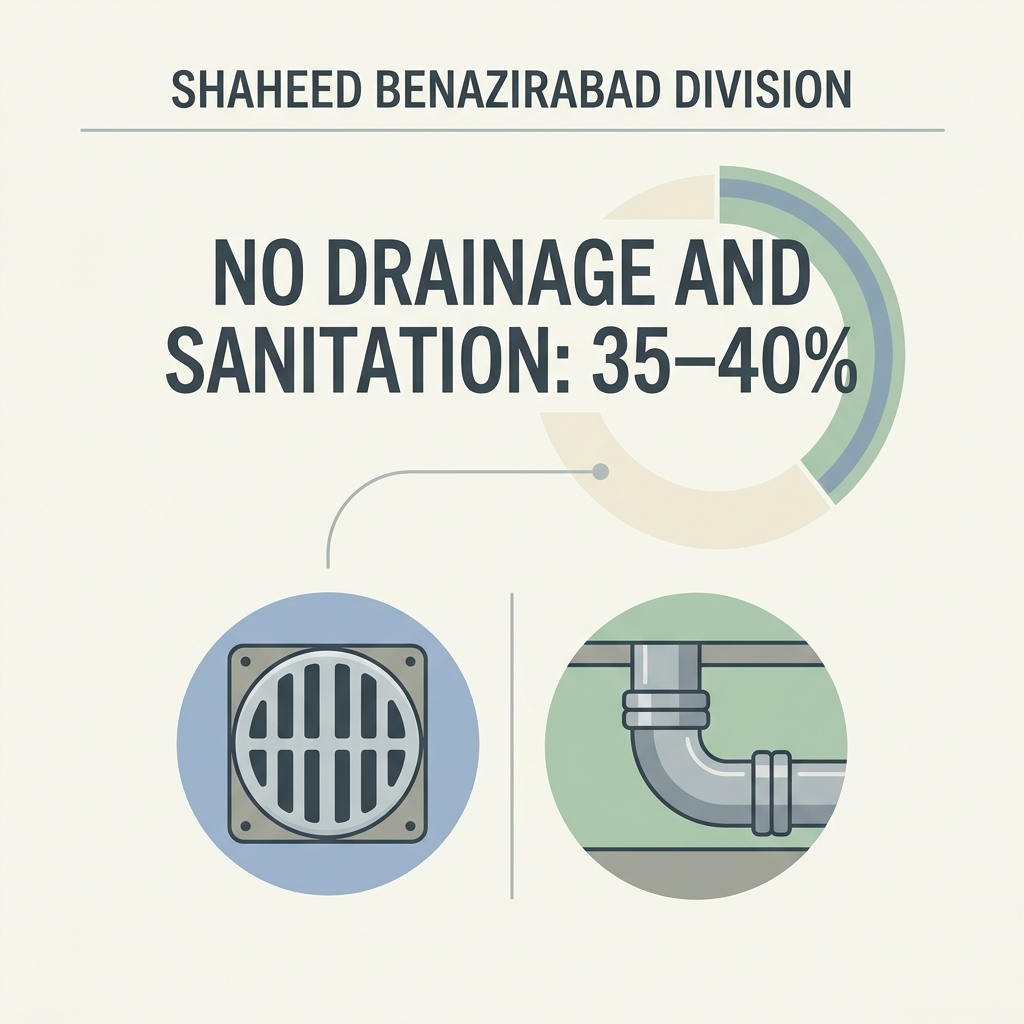
Shaheed Benazirabad Division faces a much larger sanitation deficit than Karachi Division.
Population Without Adequate Drainage & Sanitation:
Shaheed Benazirabad Division, with a population of 5.9 million and an area of 18,175 km², is larger than 115 countries in population and 70 in land area. Despite its strong agricultural output, it faces poverty, underdevelopment, and chronic neglect, receiving just 4.2% of Sindh’s FY 2025–26 development budget. Around 32.4% of its population lives in multidimensional poverty, 35% of children are out of school, only 50% have access to formal education, and nearly 22,000 crime cases are reported annually. Experts believe that granting provincial status could be a game-changer, ensuring fair representation, improved governance, and balanced development.
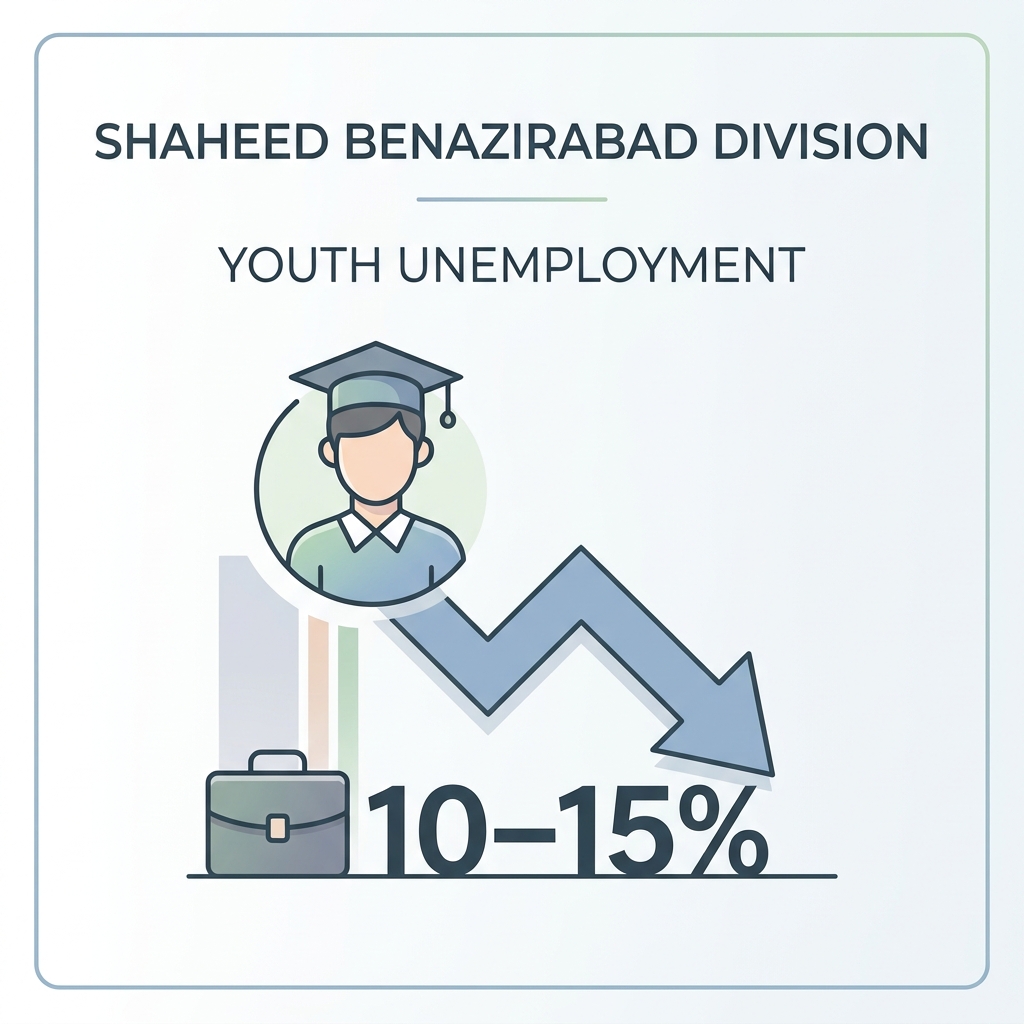
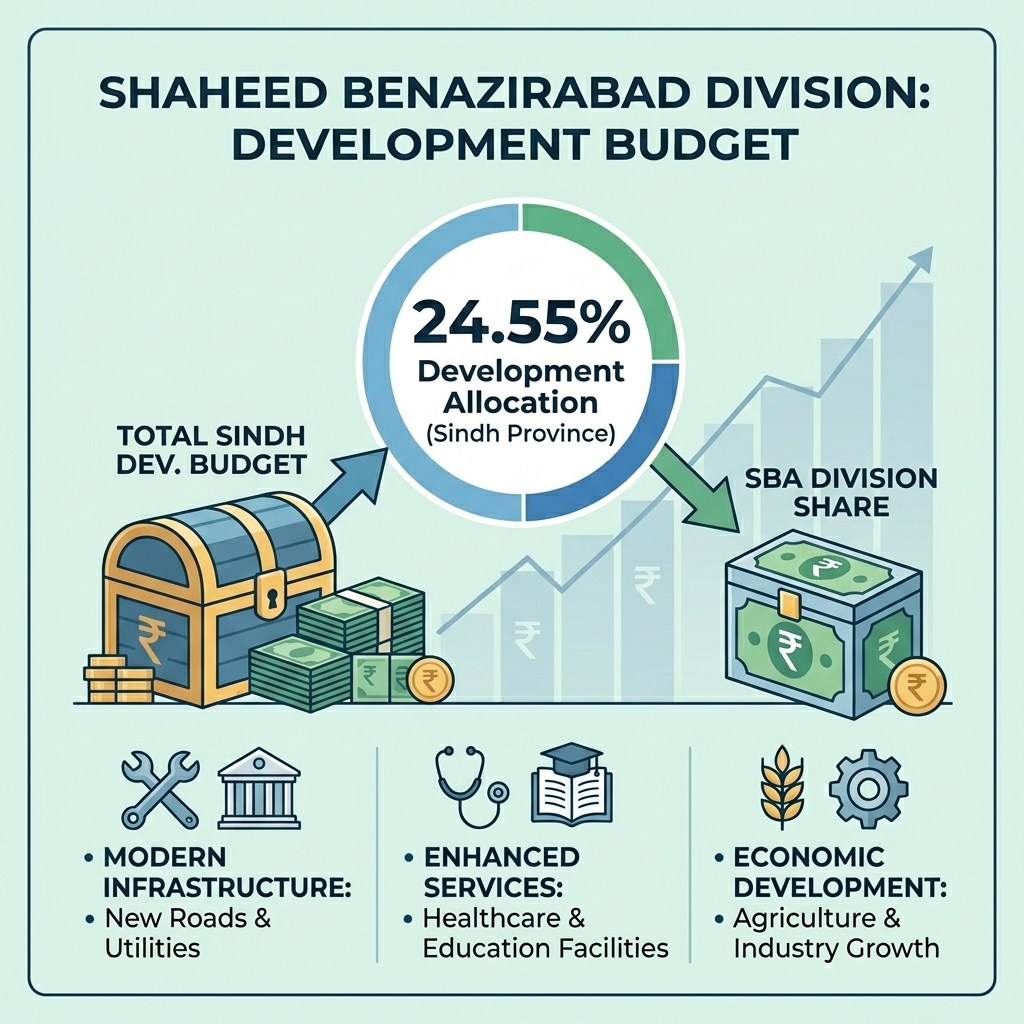
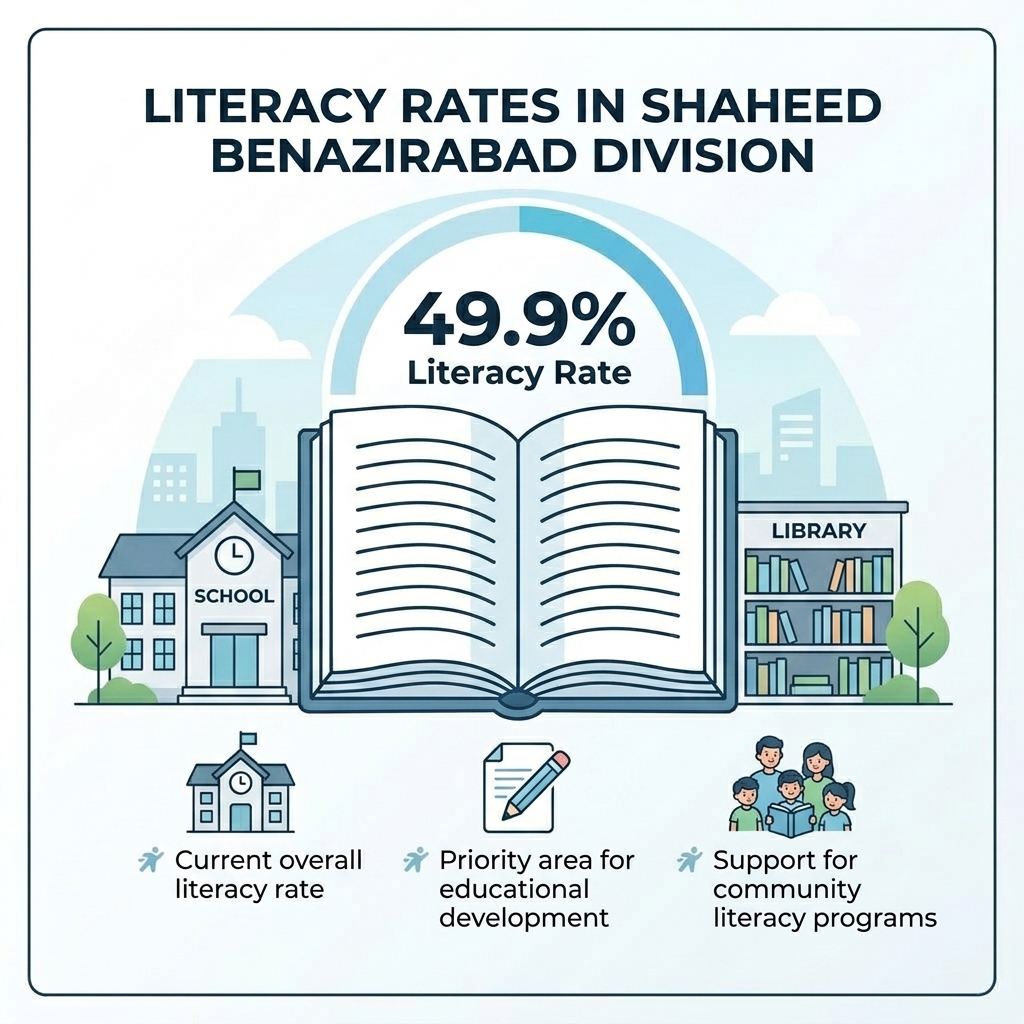
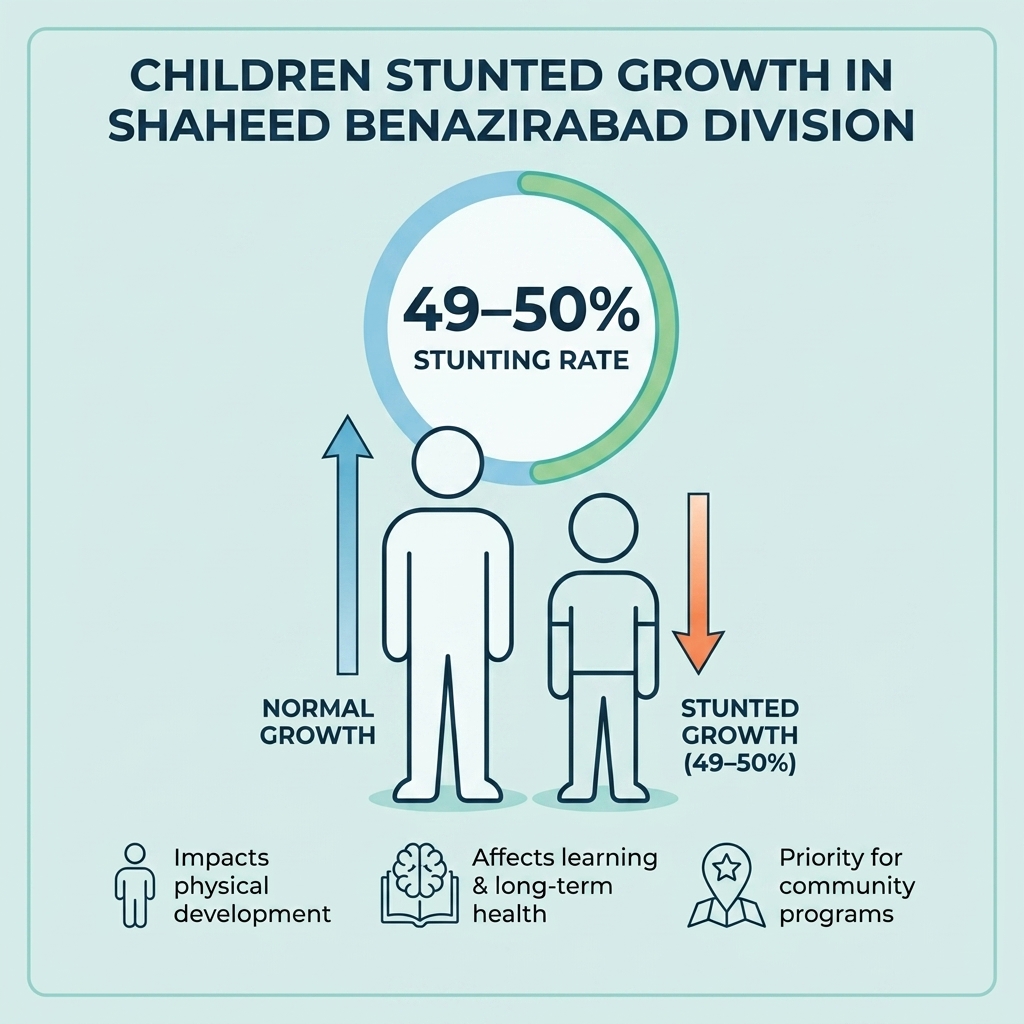
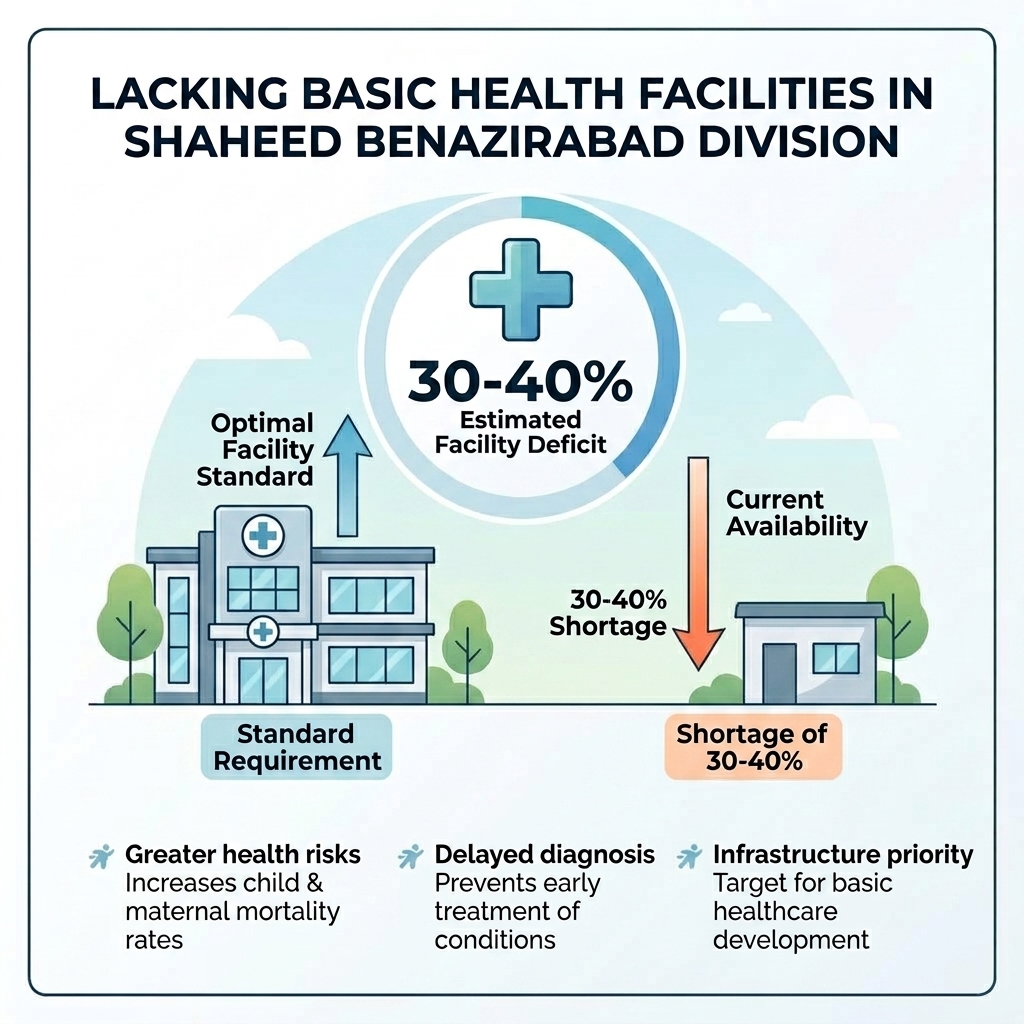
Shaheed Benazirabad Division faces deep-rooted challenges spanning overstretched public health, education gaps, sanitation failures, unsafe drinking water, limited employment, and underinvestment in essential services.
.png)
Shaheed Benazirabad Division faces a much larger sanitation deficit than Karachi Division.
Population Without Adequate Drainage & Sanitation:
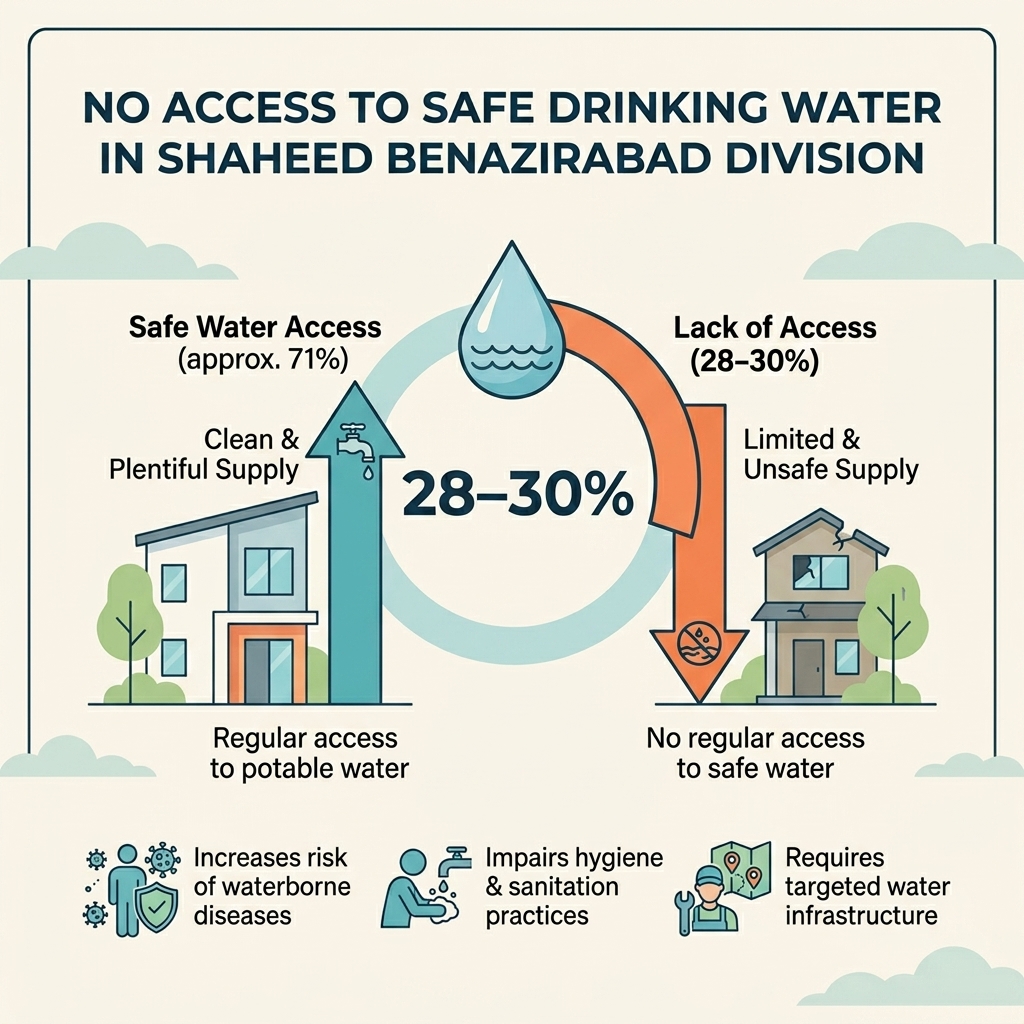
Shaheed Benazirabad Division faces a more severe drinking water challenge than Karachi, especially in rural areas affected by groundwater contamination and inadequate water supply infrastructure.
Population Without Access to Safe Drinking Water:
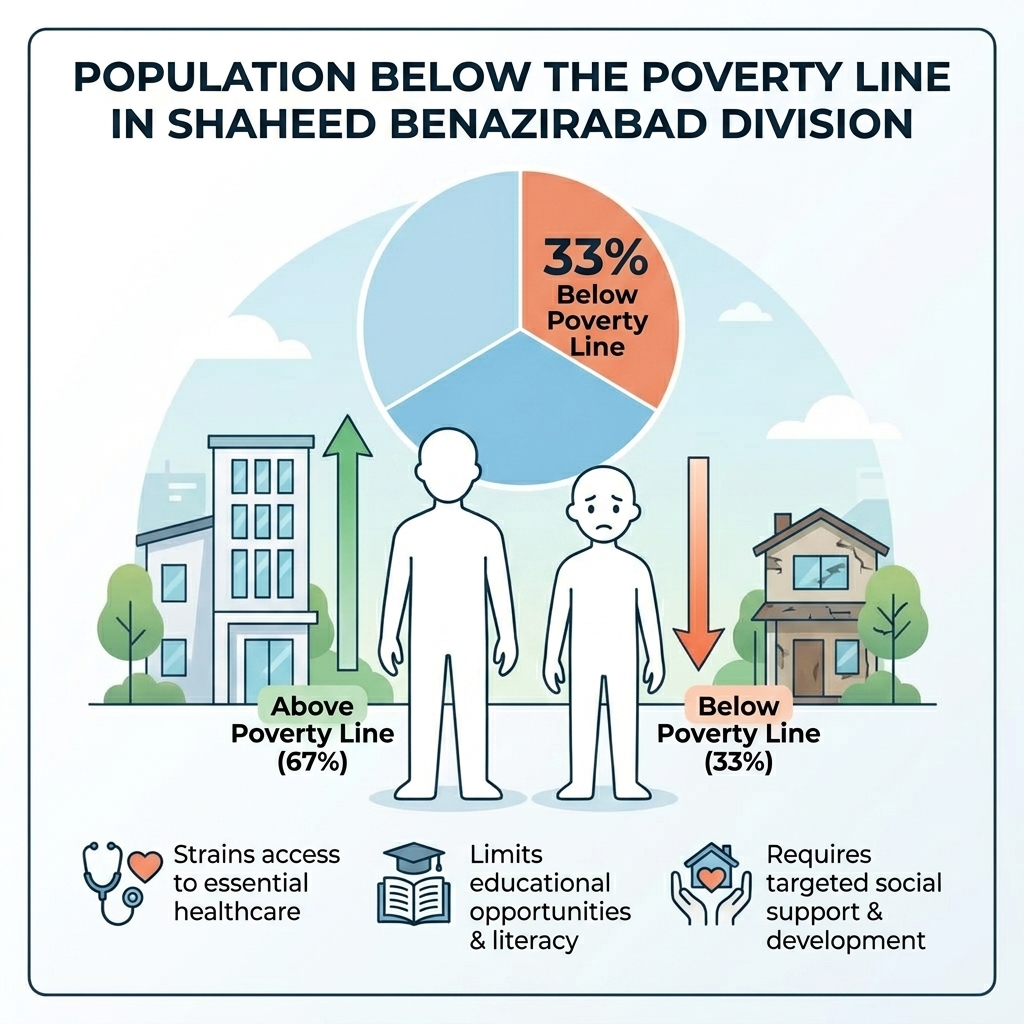
Poverty is substantially higher in Shaheed Benazirabad Division than in Karachi Division.
Population Living in Multidimensional Poverty:
Child malnutrition is considerably higher in Shaheed Benazirabad Division than in Karachi Division.
Stunted (Children under 5)
Wasting (Children under 5)
Hospital bed availability is significantly lower in Shaheed Benazirabad than in Karachi.
Karachi has a far stronger network of tertiary-care and specialized hospitals than Shaheed Benazirabad.
Children in Shaheed Benazirabad experience poorer health outcomes than those in Karachi.
Infant Mortality (per 1,000 live births)
Under-5 Mortality (per 1,000 live births)
The healthcare workforce is considerably smaller in Shaheed Benazirabad than in Karachi.
Doctors, Nurses & Midwives per 1,000 Population
Shaheed Benazirabad Division has a substantially higher proportion of out-of-school children than Karachi Division.
School enrolment remains significantly lower in Shaheed Benazirabad than in Karachi.
At the Sindh High Court, thousands of cases pertaining to the Shaheed Benazirabad Division are pending, reflecting persistent legal backlogs and administrative delays.
In the lower courts of the Shaheed Benazirabad Division, 3,604 cases in Shaheed Benazirabad, 3,499 cases in Naushahro Feroze, and 2,370 cases in Sanghar are currently pending.
Consequently, the total number of pending cases in the lower courts of the Shaheed Benazirabad Division amounts to 9,473.
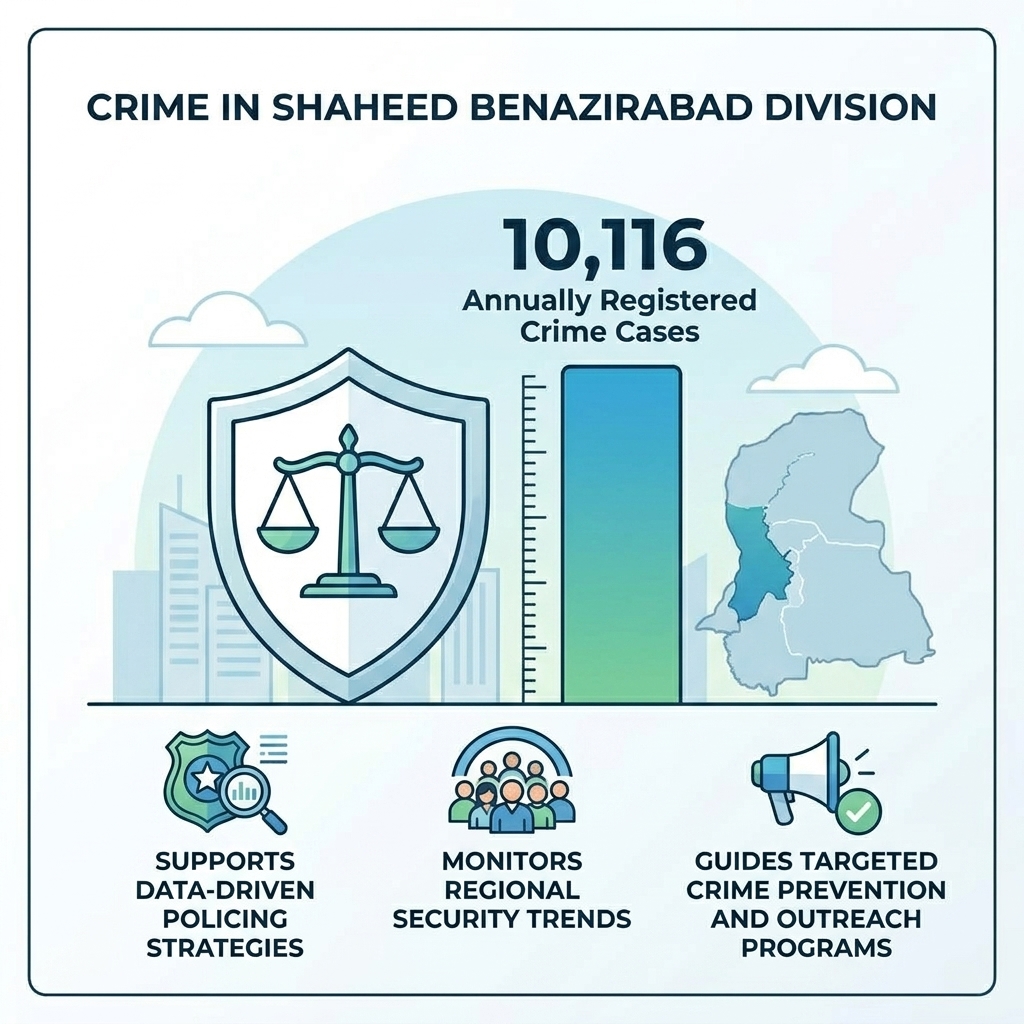
On average, approximately 10,116 crime cases are registered annually in the Shaheed Benazirabad Division.