Total population
2,308,465
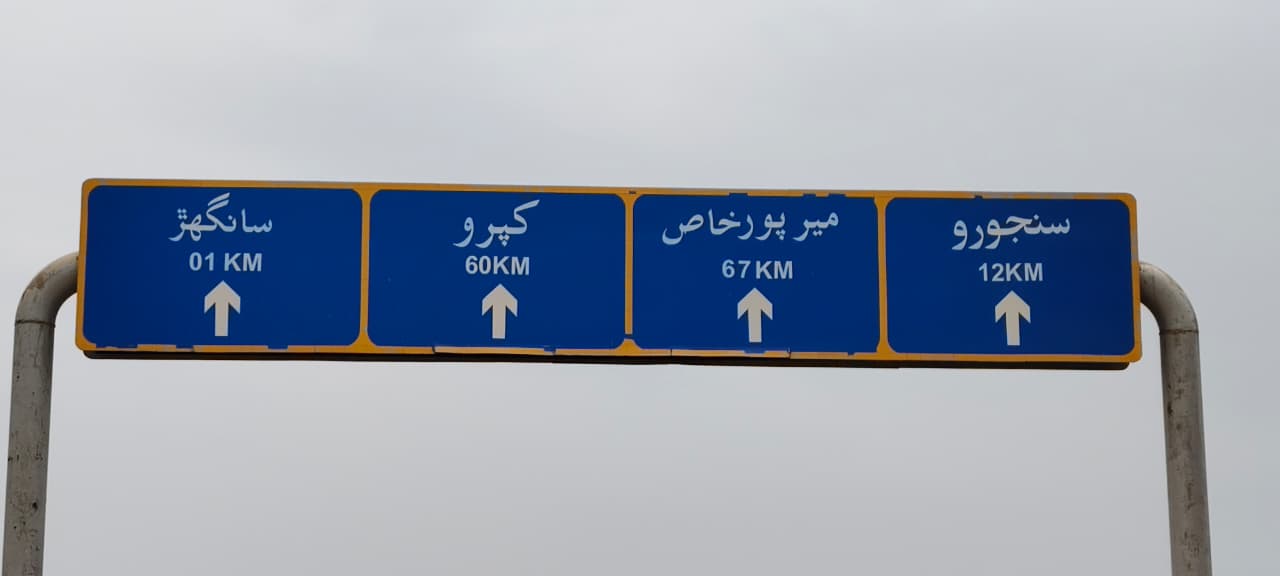
Located in eastern Sindh, Sanghar District is one of the province’s largest districts by area and an important agricultural and livestock-producing region within Shaheed Benazirabad Division. Its diverse landscape includes fertile irrigated plains and semi-arid areas bordering the Thar region. The district is a major producer of cotton, wheat, sugarcane, bananas, and chilies, with additional potential in livestock and renewable energy. With Sanghar City as its headquarters and major towns including Shahdadpur, Tando Adam, Sinjhoro, Khipro, and Jam Nawaz Ali, the district plays a significant role in Sindh’s rural economy through agriculture, trade, and agro-based industries.
2,308,465
10,729 km²
6 tehsils · 63 union councils
| Indicator | Value |
|---|---|
| Total population | 2,308,465 |
| Tehsils | 6 |
| Union councils | 63 |
| Total area | 10,729 km² |
| Type | Count |
|---|---|
| Schools | 1,076 |
| Colleges | 10 |
| Facility type | Count |
|---|---|
| DHQ hospital | 1 |
| RHC | 6 |
| BHU | 58 |
| Station | Count |
|---|---|
| Police stations (district total) | 18 |
| Total | 18 |
| Member | Constituency | Name (Party) |
|---|---|---|
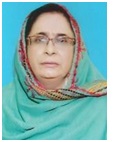 |
NA-209 Sanghar-I | Shazia Marri (PPPP) |
 |
NA-210 Sanghar-II | Salahuddin Junejo (PPPP) |
| Member | Constituency | Name (Party) |
|---|---|---|
 |
PS-41 Sanghar-II | Ali Hassan Hingorjo (PPPP) |
 |
PS-42 Sanghar-III | Shabbir Ali Khan (PPPP) |
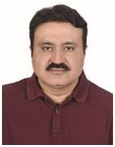 |
PS-43 Sanghar-IV | Paras Dero (PPPP) |
 |
PS-44 Sanghar-V | Shahid Abdul Salam Thaheem (PPPP) |
Poor road networks and limited transport links hinder access to markets, schools, and healthcare across Sanghar’s dispersed rural areas.
Irrigation shortages, waterlogging, drainage issues, and limited clean water access threaten agriculture and rural livelihoods.
Shortages of healthcare staff, medicines, diagnostics, and facilities limit quality health services, especially in remote areas.
Low industrialization, limited job opportunities, and weak skills development contribute to unemployment and poverty.