Total population
1,845,102
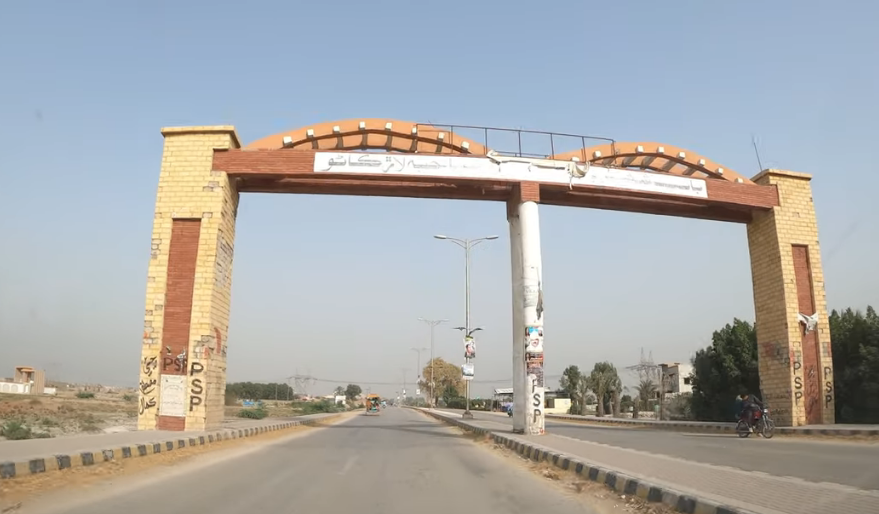
Located in central Sindh, Shaheed Benazirabad District is the administrative headquarters of Shaheed Benazirabad Division and one of the province’s key agricultural and commercial districts. Formerly known as Nawabshah District, it was renamed in 2008 in honor of Shaheed Benazir Bhutto. The district benefits from the fertile Indus River basin and an extensive canal irrigation network, supporting the production of cotton, wheat, sugarcane, bananas, mangoes, and vegetables. With Nawabshah as its headquarters and major towns including Daur, Sakrand, Qazi Ahmed, and Bandhi, the district serves as an important regional hub for agriculture, trade, education, healthcare, and transport.
1,845,102
4,502 km²
4 tehsils · 59 union councils
| Indicator | Value |
|---|---|
| Total population | 1,845,102 |
| Tehsils | 4 |
| Union councils | 59 |
| Total area | 4,502 km² |
| Type | Count |
|---|---|
| Schools | 2,521 |
| Colleges | 26 |
| Facility type | Count |
|---|---|
| DHQ hospital | 1 |
| RHC | 8 |
| BHU | 38 |
| Station | Count |
|---|---|
| Police stations (district total) | 28 |
| Total | 28 |
| Member | Constituency | Name (Party) |
|---|---|---|
 |
NA-207 Shaheed Benazirabad-I | Ms. Aseefa Bhutto Zardari (PPPP) |
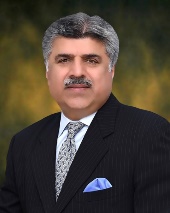 |
NA-208 Shaheed Benazirabad-II | Syed Ghulam Mustafa Shah (PPPP) |
| Member | Constituency | Name (Party) |
|---|---|---|
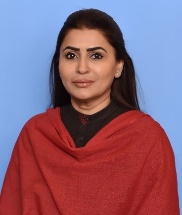 |
PS-36 Shaheed Benazirabad-I | Dr. Azra Fazal Pechuho (PPPP) |
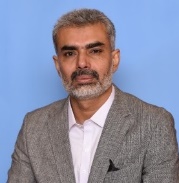 |
PS-37 Shaheed Benazirabad-II | Javed Iqbal Arain (PPPP) |
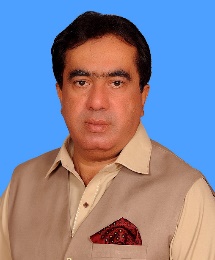 |
PS-38 Shaheed Benazirabad-III | Ghulam Qadir Chandio (PPPP) |
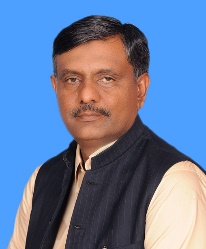 |
PS-39 Shaheed Benazirabad-IV | Dr. Bahadur Khan (PPPP) |
Poorly maintained rural roads limit connectivity to markets, schools, and healthcare facilities, affecting mobility and economic growth.
Water shortages, drainage problems, and unsafe drinking water threaten agriculture, livelihoods, and public health.
Shortages of specialists, equipment, medicines, and diagnostics restrict access to quality healthcare, especially in rural areas.
Limited industrial growth, skills opportunities, and private investment contribute to unemployment and migration.